






In recent years, the plant-based diet has gained immense popularity evidently, not just among health enthusiasts but also among those seeking to make more environmentally conscious choices. People choose specifically plant-based foods or vegetarian food over their liking for non-vegetarian food. A whole-food, plant-based (WFPB) diet is particularly beneficial for improving health, reducing the risk of chronic diseases, and promoting sustainable living. But transitioning to this lifestyle can feel overwhelming at first, especially if you’re used to a diet rich in animal products. This guide will show you how to make the shift smoothly, along with the many health benefits you can expect to enjoy.
What Is a Whole-Foods, Plant-Based Diet?
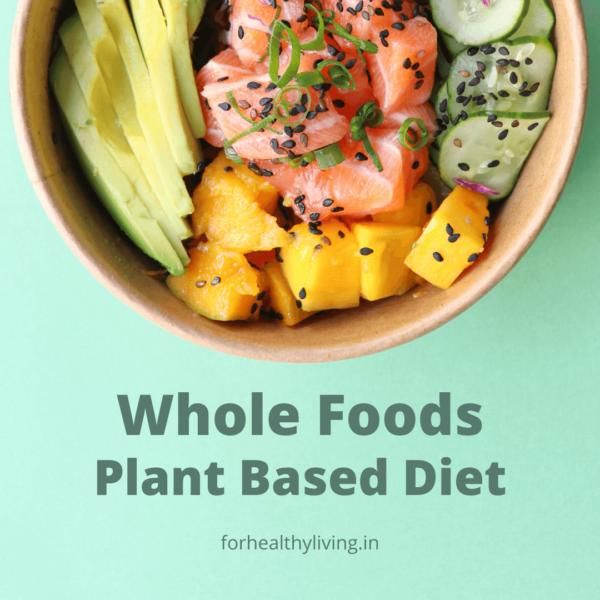
A whole-food, plant-based diet focuses on consuming primarily plant foods like fruits, vegetables, whole grains, nuts, seeds, and legumes in their most natural and unprocessed forms. Unlike other plant-based diets, the WFPB diet avoids refined sugars, oils, and processed foods, even if they are plant-based. Instead, the focus is on nutrient-dense, minimally processed foods because they fuel your body for optimal health.
The key difference between a WFPB diet and other vegan diets is the emphasis on whole foods. While you may find vegan cookies, chips, and other highly processed alternatives, they don’t align with the whole-foods approach, which focuses on food in its most natural state.
Health Benefits of a Whole-Foods, Plant-Based Diet
Before we dive into the transition process, let’s quickly touch base on why this shift is so beneficial for your health. Here are some compelling reasons to consider before moving to a WFPB diet:
- Improves Heart Health – A WFPB diet is low in saturated fat and cholesterol, helping reduce the risk of heart disease. Which are the most common and rapidly growing concerns in all age groups.
- Promotes Weight Loss – Whole plant foods are naturally lower in calories and high in fiber, keeping you full for longer and promoting weight management. It is also an excellent alternative to help you control your cravings and englut eating.
- Boosts Energy – With an emphasis on nutrient-dense foods, this diet keeps you energized for longer, helping you avoid energy crashes. Also, helps to manage your energy shifts throughout your stressful and busy days.
- Lowers the Risk of Chronic Diseases – Studies show that plant-based diets reduce the risk of diabetes, certain cancers, and hypertension. Not only this, but a lot of whole foods have phytochemicals and anti-inflammatory, anti-oxidants that help keep diseases away from you.
- Supports a Healthy Gut – A fiber-rich diet improves digestion and fosters a healthy gut microbiome. Whole foods are easy on your gut.
- Environmentally Sustainable – A plant-based diet reduces carbon footprint and helps preserve natural resources.
Step-by-Step Guide: How to Transition to a Whole-Foods, Plant-Based Diet
- Take one step at a time, Start with One Plant-Based Meal Per Day
A gradual transition is often easier and more sustainable than going cold turkey. Start by replacing one meal a day with a plant-based option. For example, swap your daily breakfast for a smoothie bowl or oatmeal topped with fruits, nuts, and seeds. Give yourself a chance to explore new flavors and meals without feeling overwhelmed. You need to enjoy the process and your meals!
2. Focus on Whole Foods, Not Processed Alternatives
While it may be tempting to grab vegan versions of your favorite processed foods, the real benefits of a WFPB diet come from whole, unprocessed foods. Instead of vegan burgers or frozen meals, look for nutrient-dense options like quinoa, brown rice, lentils, chickpeas, and fresh vegetables.
3. Build Your Plate Around Plants
For lunch and dinner, start by making vegetables the star of your plate. Aim for half of your plate to be filled with non-starchy vegetables like leafy greens, broccoli, peppers, or zucchini. Add a quarter plate of whole grains (like quinoa, brown rice, or whole-wheat pasta) and another quarter of plant-based proteins such as beans, lentils, or tofu. This simple method helps ensure you get a balanced, nutrient-dense meal every time.
4. Experiment with New Recipes
Transitioning to a WFPB diet is the perfect opportunity to get creative in the kitchen. Explore different cuisines and experiment with new recipes. From hearty Buddha bowls to vegetable curries, the variety is endless. You’ll discover how rich and diverse plant-based foods can be, and you won’t miss the meat and dairy!
5. Keep Healthy Snacks on Hand
When transitioning to a plant-based diet, it’s essential to have healthy snacks ready, so you aren’t tempted to revert to comparatively less healthy options. Some great whole-food plant-based snacks include hummus and veggie sticks, fruit with nut butter, or a handful of mixed nuts and seeds.
6. Educate Yourself About Plant-Based Nutrition
As you transition, it’s crucial to ensure you get all the nutrients your body needs. Key nutrients to focus on include:
- Protein – Found in legumes, tofu, tempeh, and nuts.
- Iron – Dark leafy greens, lentils, and fortified grains are good sources.
- Vitamin B12 – Since B12 is primarily found in animal products, consider taking a supplement or choosing fortified plant-based foods.
- Omega-3 Fatty Acids – Include flaxseeds, chia seeds, and walnuts in your diet.
- Calcium – Broccoli, almonds, and fortified plant-based milk options are great sources.
7. Plan and Prepare Ahead
Meal planning is key to a successful transition. Set aside time each week to plan your meals and grocery list. Meal prepping will save you from last-minute, less healthy choices and make the transition much smoother.
Common Mistakes to Avoid During the Transition
While shifting to a WFPB diet can be exciting, it’s easy to fall into common pitfalls. Here’s what to watch out for:
- Relying Too Much on Processed Foods – Even if they’re vegan, processed foods don’t provide the same health benefits as whole plant foods.
- Not Eating Enough Variety – A diverse diet ensures you get all the nutrients your body needs.
- Skipping on Protein – Be sure to include protein-rich plant foods like beans, lentils, and tofu to meet your body’s needs.
- Not Supplementing Where Necessary – Nutrients like Vitamin B12 are hard to get from plants, so a supplement is often necessary.
Final Thoughts: Make the Transition Sustainable
Transitioning to a whole-food, plant-based diet is a powerful step towards improving your health and supporting environmental sustainability. Take it at your own pace, explore a variety of new foods, and don’t be too hard on yourself during the process. Remember, the goal is long-term, sustainable change. Before you know it, you’ll be enjoying the endless benefits of a nutrient-packed, plant-powered life. Your journey for healthy living should not be tiring keep that in mind and enjoy the process.
Ready to make the shift? Let me know in the comments if you’re thinking about transitioning or already on the journey! Don’t forget to share your favorite plant-based meals or tips with our community. Comment down if you’re keen on knowing my suggestions for recipes, or meal options based on the WFPB diet. I would love to share them with you!
Connect with me here!