









Why Women and Children Need to Watch Their calcium requirements and Intake at Every Life Stage
Calcium is one of the most essential minerals in the human body. It plays a critical role in maintaining strong bones and teeth, aiding muscle function, and supporting heart health. I have joint pain, and back pain is what every other person is complaining about these days. Ever wonder why people are experiencing these pains at a very young age now? The joint pain used to be common in elderly people. However, it growing rapidly in every age group with time. Lesser calcium intake may not be the only cause of it but it plays a major role in such conditions. We all know calcium is good for bones, But did you know that your calcium requirements vary at different stages of life? For women and children, in particular, ensuring the right calcium intake is crucial for long-term health. Let’s understand its importance in detail.
Why Calcium Is Important
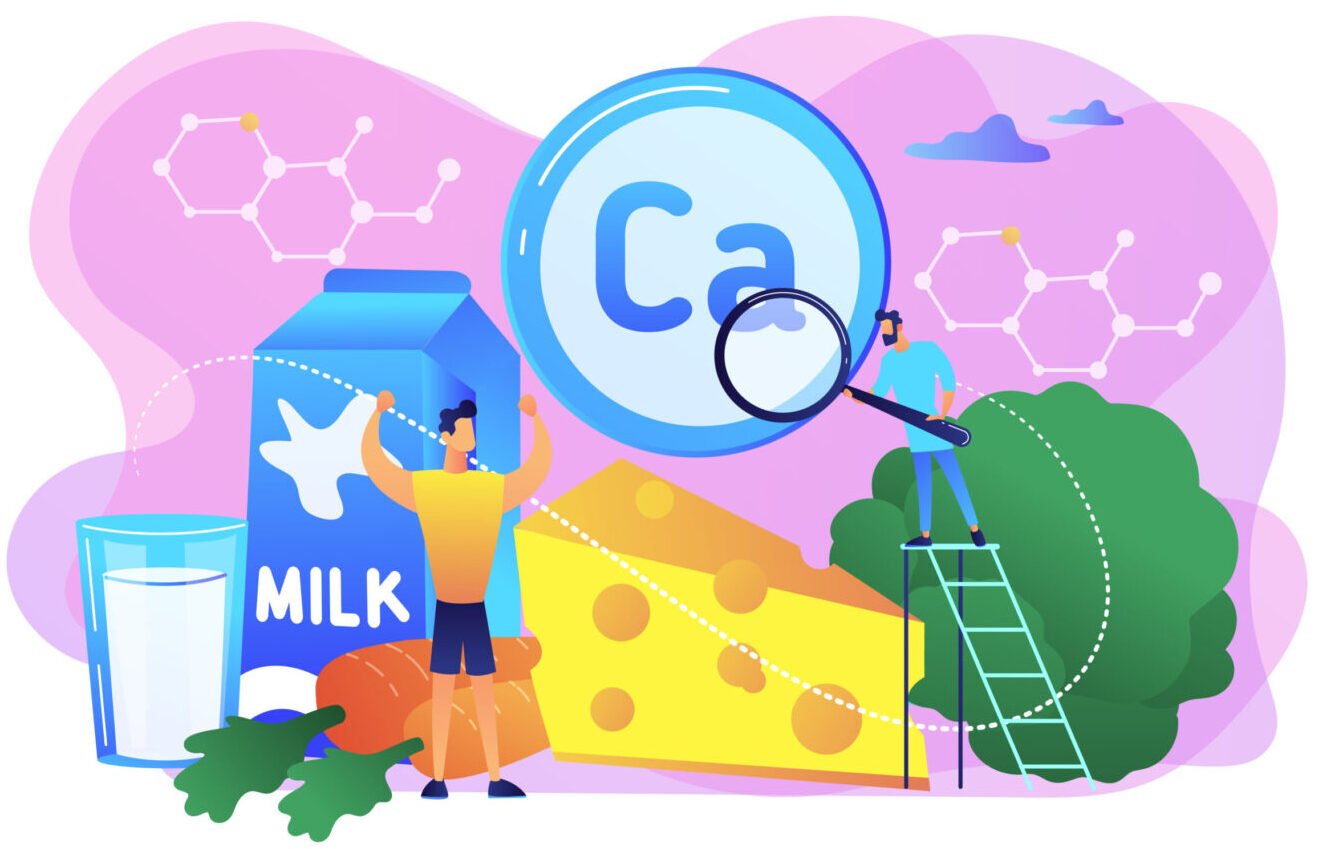
Calcium is the building block of your bones and teeth. It is the most abundant mineral in the human body. It helps keep them strong and healthy, but that’s not all. Calcium is involved in muscle contraction, nerve function, and controlling blood pressure. Producing enzymes and Hormones and blood clotting. When your body doesn’t get enough calcium from your diet, it takes calcium from your bones, making them weaker and poorer over time.
Women are at a greater risk of calcium deficiency, especially during pregnancy, breastfeeding, and menopause. Children need calcium to support their rapid growth and development. Neglecting calcium intake during these vital periods can lead to long-term health issues like osteoporosis, brittle bones, and a weaker immune system.
Calcium Requirements for Different Life Stages
Calcium requirements vary throughout your life. Here’s a breakdown of how much calcium is needed at various life stages, particularly for women and children:
- Children (1-3 years): 700 mg/day
- Children (4-8 years): 1,000 mg/day
- Adolescents (9-18 years): 1,300 mg/day
- Women (19-50 years): 1,000 mg/day
- Pregnant & Breastfeeding Women: 1,000-1,300 mg/day
- Women (51+ years): 1,200 mg/day
As you can see, children and adolescents need more calcium because their bodies are growing rapidly. Women’s calcium needs also spike during pregnancy, breastfeeding, and post-menopause, making it vital to maintain adequate calcium intake to prevent bone loss and other health complications.
Calcium for Women: A Special Focus
For women, calcium plays a particularly important role in maintaining bone density. As women age, especially post-menopause, the body’s ability to retain calcium decreases, making bones more prone to fractures and osteoporosis.
During pregnancy and breastfeeding, women’s calcium requirements are higher to support both their bodies and the development of their child’s bones and teeth. Women who fail to get enough calcium during these stages may be at risk of weakening their bones, and it can affect their overall health in the long term. This can be avoided with easy daily practices.
Post-menopause is another critical period for women. Due to the drop in estrogen, which helps regulate calcium in the body, bones become more vulnerable to calcium loss. Increasing calcium intake at this stage can help prevent osteoporosis and support overall bone health.
Calcium for Children: Building Strong Foundations
For children, calcium is essential for growth and development. From the time they are toddlers through their teenage years, calcium helps build the foundation for strong bones and teeth that will support them for the rest of their lives. Adequate calcium intake during childhood also reduces the risk of developing weak bones or fractures as they age.
Teenage is The best age to acquire health. In particular, it also needs more calcium than adults. This is the period when their bodies are growing the most, and they are building up their peak bone mass. The more calcium they get during these critical years, the stronger their bones will be later in life.

Sources of Calcium: How to Increase Calcium Intake
Ensuring that you and your children get enough calcium doesn’t have to be difficult. Here are some natural sources of calcium and ways to include them in your daily diet: (Trust me it’s very easy to get calcium in your daily meals)
- Dairy Products: Milk, cheese, yogurt, and cottage cheese are excellent sources of calcium. Include these in your breakfast or snacks to easily boost calcium intake.
- Leafy Greens: Vegetables like kale, broccoli, and bok choy are rich in calcium. Add them to soups, salads, or smoothies for a healthy boost.
- Fortified Foods: Many non-dairy products like almond milk, orange juice, and cereals are fortified with calcium. Check the labels and choose fortified options.
- Nuts and Seeds: Almonds, chia seeds, and sesame seeds are high in calcium. Add them to your oatmeal, smoothies, or salads for an extra dose of this vital nutrient. Pro tips: Add chia seeds to your lemonade or coolers!
- Fish: Sardines and salmon (with bones) are not only high in calcium but also in vitamin D, which helps your body absorb calcium more effectively.
Practical Tips to Increase Calcium Intake
- Sneak Dairy Into Meals: Add milk to smoothies, use yogurt as a dip, or snack on cheese throughout the day. Feel free to make desserts out of different milk options. (Not every now & then)
- Try Fortified Products: Choose calcium-fortified juices, cereals, or plant-based milks.
- Add More Greens: Make a habit of including leafy greens in your meals—whether in stir-fries, soups, or salads. To make it more fun I would add them in pasta, make a sauce of these for my pizza base and make fun dips with it.
- Snack Smart: Munch on almonds or chia seeds, or add them to your yogurt or oatmeal for a calcium-rich snack. I prefer coating my nuts in dark chocolate sometimes to make them extra delicious!
- Incorporate Calcium Supplements: If you’re struggling to meet your calcium requirements through diet alone, consider a calcium supplement. But always consult your doctor before starting any supplement regimen.
Why You Need to Keep an Eye on Your Calcium Intake
Now that you know how essential calcium is at every life stage, especially for women and children, it’s time to take action. Whether you’re pregnant, breastfeeding, nearing menopause, or raising growing children, making sure you’re meeting your daily calcium needs is crucial to long-term health.
Neglecting calcium intake can lead to serious health problems like osteoporosis, increased risk of fractures, and weakened teeth and bones. Calcium doesn’t just support the body during periods of growth or change it’s a daily requirement that keeps your body strong and healthy.
Share Your Thoughts
I would love to know, Are you meeting your calcium needs? How do you ensure that you and your family get enough calcium every day? Let’s keep the conversation going! Share your thoughts, tips, and experiences in the comments below. And if you found this guide helpful, don’t forget to share it with your friends and family it could be just a reminder they need to boost their calcium intake! Ask me anything I’m a chatty person!